Back
Back
 Email Updates
STATISTICAL BRIEF #527:
|
|||||||||||||||||||||
| November 2019 | |||||||||||||||||||||
|
Philip F. Cooper, PhD and Karen E. Davis, MA
|
|||||||||||||||||||||
Highlights
|
|||||||||||||||||||||
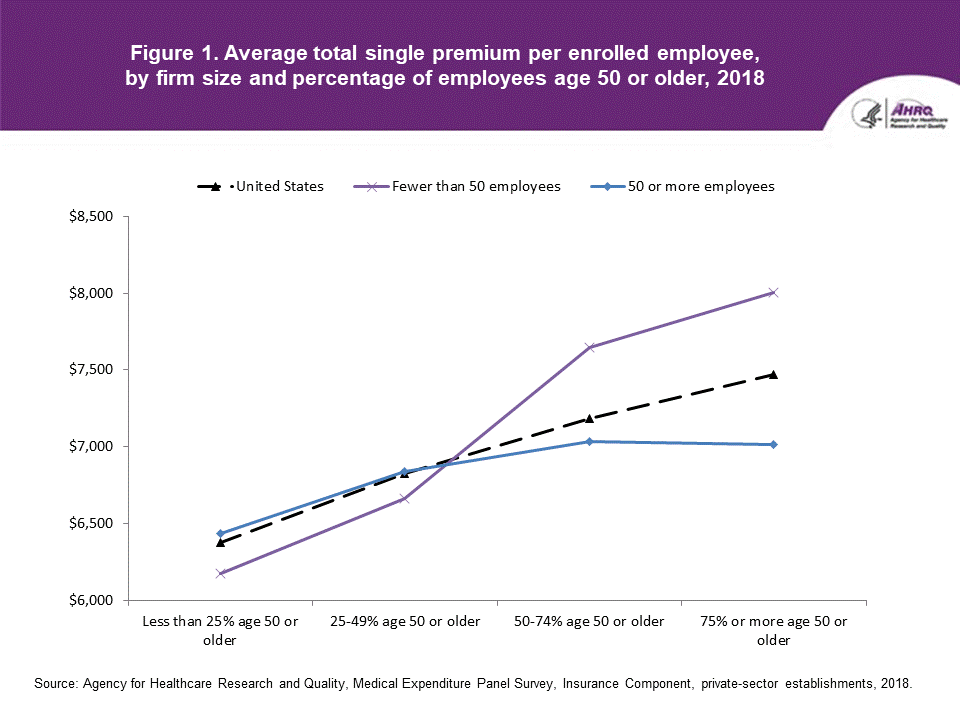
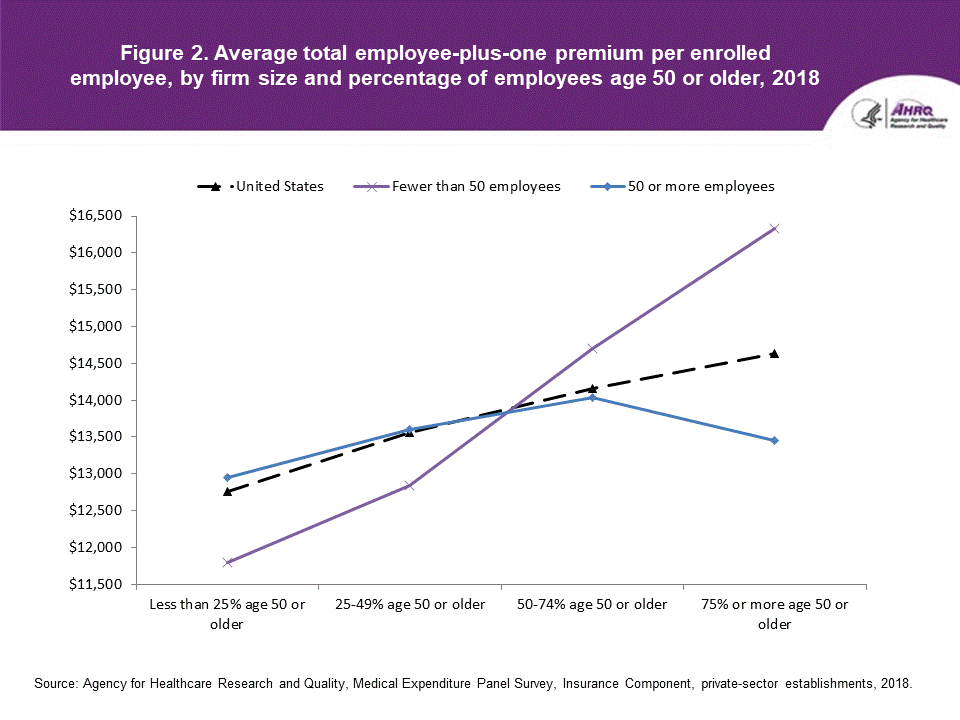
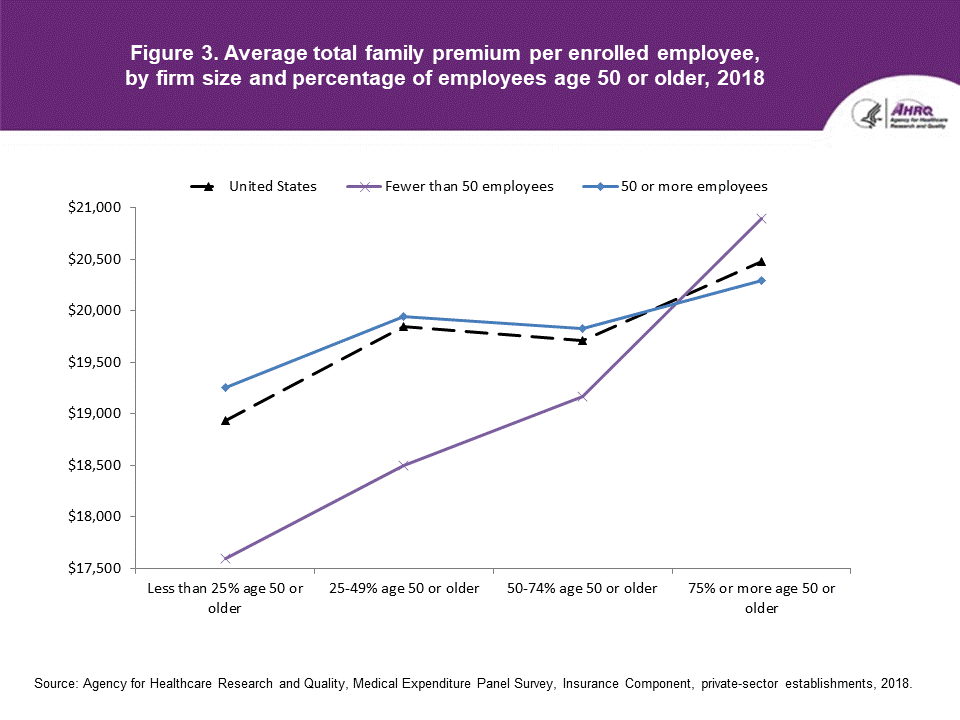
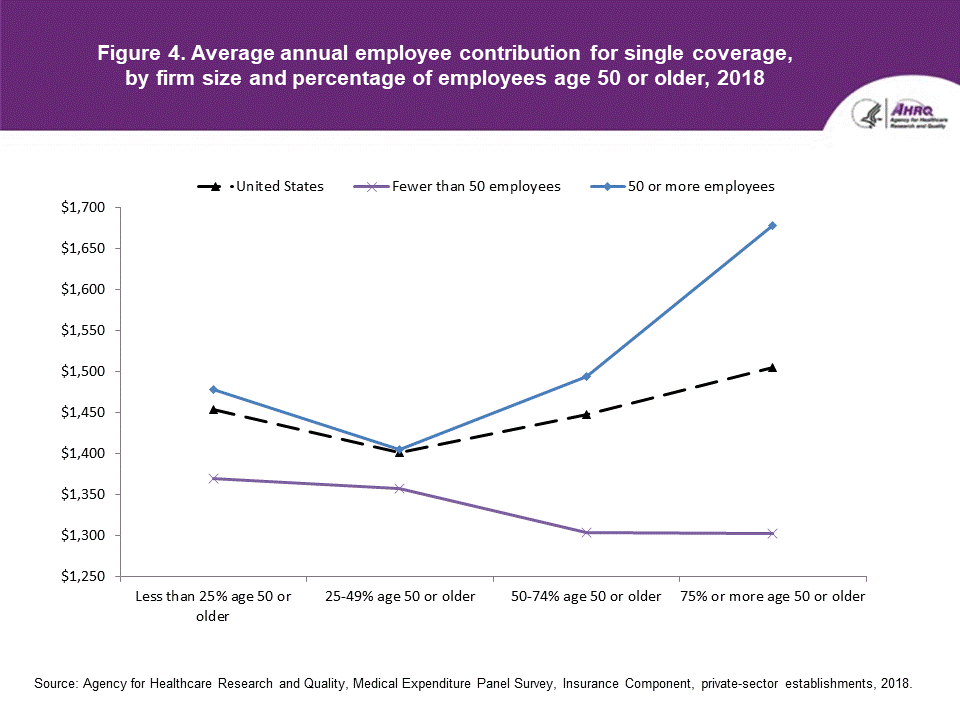
IntroductionOlder U.S. citizens spend more on health care than do younger U.S. citizens.1 This Statistical Brief examines whether employer-sponsored health insurance (ESI) premiums and employee contributions to ESI health plans in establishments with differing percentages of employees over age 50 reflect these spending differences. Additionally, differences in premiums and contributions can be related to firm size. Small firms are less able to spread the risk associated with high-cost individuals and are more likely to have no employee contributions to ESI plan to increase enrollment.2 This Statistical Brief reports estimates of private-sector ESI premiums and employee contributions by the percentage of the establishment's workforce over the age of 50 and by firm size. For the purposes of this Statistical Brief, a small firm is defined as having a workforce of fewer than 50 employees and a large firm is defined as having a workforce of 50 or more employees. The estimates were obtained using private-sector data from the 2018 Medical Expenditure Panel Survey-Insurance Component (MEPS-IC). All estimates discussed are significantly different at the 0.05 level unless otherwise noted. |
|||||||||||||||||||||
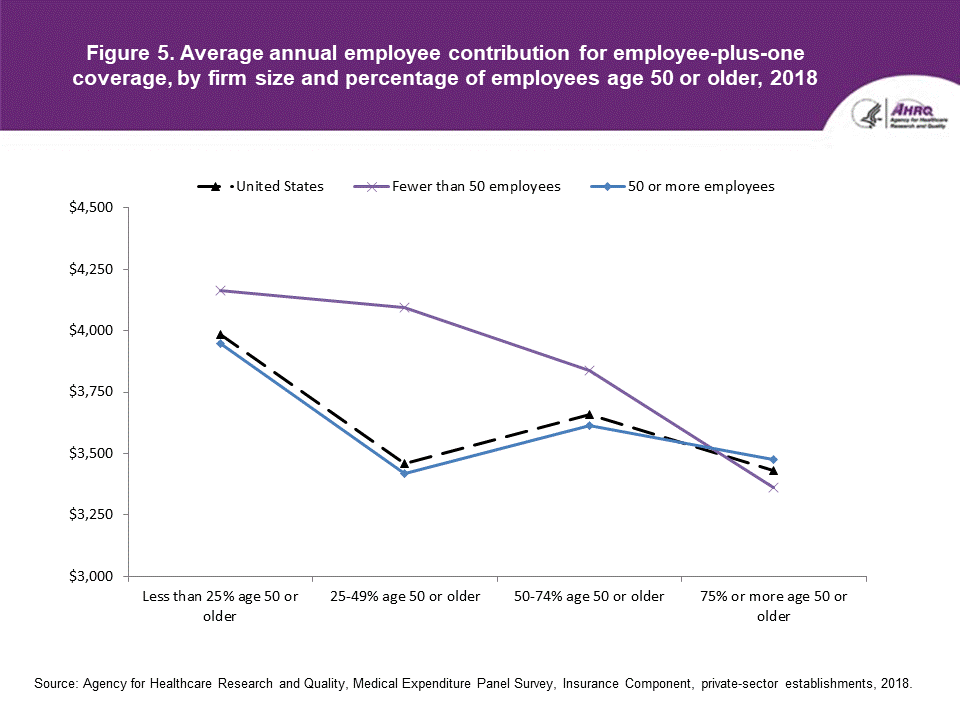
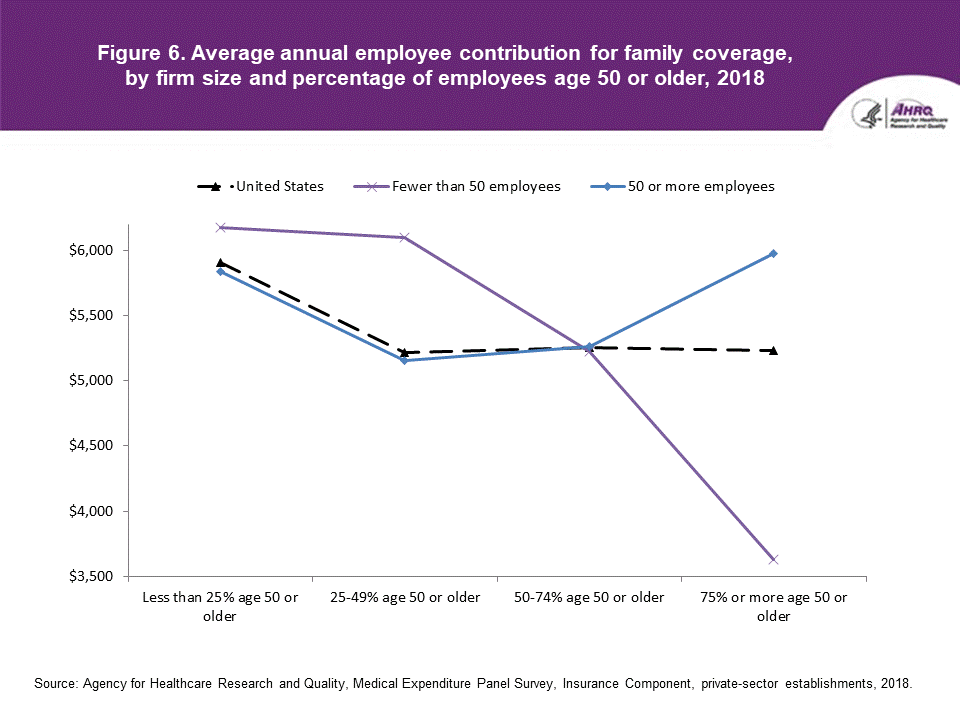
FindingsFigure 1 shows average ESI total single premiums per enrolled employee, by firm size and percentage of the workforce over the age of 50 in 2018. Single premiums tended to rise as the percentage of the workforce that was age 50 and older increased. Overall, average single premiums were lower in establishments where workers over the age of 50 made up 25 percent or less of the workforce ($6,377) compared to establishments with higher percentages of workers over the age of 50 ($6,824 for 25–49 percent over the age of 50; $7,183 for 50–74 percent over the age of 50; and $7,470 for 75 percent or more over the age of 50). Additionally, average single premiums were lower in establishments where the workforce was made up of 25–49 percent of workers over the age 50 than in establishments with a greater percentage of workers over the age of 50.Similar to overall premiums, average single premiums in establishments in firms with fewer than 50 employees and in firms with 50 or more employees tended to rise with the percentage of the workforce that was age 50 and older. In small firms, average single premiums were lower in establishments where the workforce was made up of less than 25 percent of workers over the age of 50 than in establishments with a greater percentage of workers over the age of 50 ($6,174 for less than 25 percent over age 50; $6,665 for 25–49 percent over age 50; $7,649 for 50–74 percent over age 50; and $8,005 for 75 percent or more over age 50). Additionally, in small firms, average ESI single premiums were lower in establishments with a workforce made up of 25–49 percent of workers over the age of 50 than average single premiums in establishments with greater percentages of workers over the age of 50. In large firms, again, average single premiums were lower in establishments where the workforce was made up of less than 25 percent over the age of 50 than in establishments with a greater percentage over the age of 50 ($6,436 for less than 25 percent over age 50; $6,841 for 25–49 percent over age 50; $7,032 for 50–74 percent over age 50; and $7,014 for 75 percent or more over age 50). Figure 2 reports ESI average premiums for employee-plus-one health plans in 2018 by percentage of the workforce over age 50 and firm size. As was found for average single premiums, employee-plus-one average premiums were lower in establishments with a workforce of less than 25 percent over age 50 ($12,754) than in establishments with a greater percentage of workers over age 50 ($13,555 for 25–49 percent over age 50; $14,165 for 50–74 percent over age 50; and $14,636 for 75 percent or more over age 50). This was also true for the 25–49 percent over age 50 group. In small firm establishments, ESI average employee-plus-one premiums increased with the percentage of workers over age 50. In establishments with less than 25 percent of workers over age 50, average ESI employee-plus-one premiums were $11,796. In establishments with 25–49 percent of workers over 50, average employee-plus-one premiums were $12,835. In establishments with 50–74 percent of workers over age 50, average employee-plus-one premiums were $14,698, and in establishments with 75 percent or more workers over age 50, average employee-plus-one premiums were $16,336. In large firm establishments, average ESI employee-plus-one premiums were lower in establishments with fewer than 25 percent of workers over the age of 50 ($12,591) than in establishments with 25–49 percent of workers over age 50 ($13,602) and in establishments with 50–74 percent of workers over age 50 ($14,040). Figure 3 reports ESI average family premiums by percentage of workers over age 50 and firm size in 2018. Average ESI family premiums were lower in establishments with a workforce made up of less than 25 percent workers over the age of 50 ($18,931) than in establishments with a greater percentage of workers over age 50 ($19,850 for 25–49 percent over age 50; $19,709 for 50–74 percent over age 50; and $20,481 for 75 percent or more over age 50). In small firm establishments, average ESI family premiums were higher in establishments with a workforce made up of 75 percent or more workers over the age of 50 ($20,894) than in establishments with less than 25 percent of workers over age 50 ($17,591) and in establishments with 25–49 percent of workers over age 50 ($18,496). Additionally, average ESI family premiums in firms with less than 25 percent of workers over age 50 were lower than in establishments where workers over the age of 50 made up 50–74 percent of the workforce. In large firm establishments, average ESI family premiums were higher in establishments with a workforce of 25–49 percent over the age of 50 ($19,942) than in establishments with a workforce of less than 25 percent over the age of 50 ($19,257), but other differences were not statistically significant. Figure 4 shows ESI average single-coverage employee contributions by the percentage of workers over age 50 and firm size in 2018. In large firm establishments, average single employee contributions were higher in establishments with less than 25 percent of workers over the age of 50 ($1,478) compared to average single contributions in establishments where 25–49 percent of workers were over age 50 ($1,405). There were no other statistically significant differences found in average ESI single employee contributions by the percentage of workers over the age of 50 or firm size. Figure 5 shows ESI average employee contributions to employee-plus-one health plans by the percentage of workforce over age 50 and firm size in 2018. Average employee contributions to employee-plus-one plans were higher in establishments where less than 25 percent of workers were over the age of 50 ($3,984) relative to average contributions to employee-plus-one health plans in establishments with a greater percentage of workers over the age of 50 ($3,459 for 25–49 percent over age 50; $3,657 for 50–74 percent over age 50; and $3,429 for 75 percent or more over age 50). In large firm establishments, average employee contributions to employee-plus-one health plans were higher in establishments with a workforce made up of less than 25 percent of workers over age 50 ($3,947) than average contributions to employee-plus-one health plans in establishments with 25–49 percent of workers over 50 ($3,417) and establishments with 50–74 percent of workers over age 50 ($3,614). Figure 6 shows ESI average employee contributions to family health plans by workforce age and firm size in 2018. Average employee contributions to ESI family plans were higher in establishments with a workforce comprised of less than 25 percent of workers over the age of 50 ($5,905) than average ESI contributions to family coverage health plans in establishments where 25–49 percent of workers were over 50 ($5,215) and establishments where 50–74 percent of workers were over 50 ($5,255). In small firm establishments, average ESI employee contributions to family coverage health plans were lower in establishments where the workforce was made up of 75 percent or more workers over the age of 50 ($3,630) than average ESI employee contributions in establishments with a lower percentage of workers over 50 ($5,223 for 50–74 percent over 50; $6,099 for 25–49 over 50; and $6,171 for less than 25 percent over 50). In large firm establishments, average ESI employee contributions to family coverage health plans were higher in establishments where workers over the age of 50 made up less than 25 percent of the workforce ($5,840) than average ESI employee contributions to family coverage health plans in establishments with a workforce of 25–49 percent over the age of 50 ($5,155), and in establishments with 50–74 percent of workers over 50 ($5,262). |
|||||||||||||||||||||
Data SourceThis Statistical Brief summarizes data from the 2018 MEPS-IC. The estimates in this Brief are available in tables on the MEPS website at http://www.meps.ahrq.gov/mepsweb/survey_comp/Insurance.jsp or have been produced using special computation runs on the confidential MEPS-IC micro data available at the U.S. Census Bureau. |
|||||||||||||||||||||
DefinitionsHealth insurance planAn insurance contract that provides hospital and/or physician coverage to an employee for an agreed-upon fee (premium) for a defined benefit period. Premium Agreed-upon fee paid for coverage of medical benefits for a defined benefit period, usually a calendar year. Premiums can vary based on a variety of factors, such as services covered, amounts of deductibles and co-pays, location of firm, and demographics of the workforce. Single coverage Health insurance that covers the employee only. Employee-plus-one coverage Health insurance that covers the employee plus another individual. Family coverage Health insurance that covers the employee and the employee's family. If a plan offered more than one pricing level for family coverage, information for a family of four was reported. Employee contribution The amount that the employee contributes to health plan premiums. |
|||||||||||||||||||||
About MEPS-ICMEPS-IC is a survey of private-sector business establishments and state and local governments that collects information on employer-sponsored health insurance, such as whether insurance is offered, enrollments, types of plans, and premiums. The survey is conducted annually by the U.S. Census Bureau under the sponsorship of the Agency for Healthcare Research and Quality. A total sample of approximately 42,000 private-sector establishments was selected for the 2018 survey, with 5.5 percent of the sample determined to be out of scope during the data collection process. The response rate for the private sector was 67.8 percent of the remaining in-scope sample units.For more information on this survey, see MEPS Methodology Reports 6, 8, 10, 14, 17, 18, 27, 28, 30, and 31 on the MEPS website at https://meps.ahrq.gov/mepsweb/data_stats/Pub_ProdLookup_Results.jsp?ProductType=Methodology%20Report&Comp=Insurance and Insurance Component Survey Basics at http://www.meps.ahrq.gov/mepsweb/survey_comp/Insurance.jsp. |
|||||||||||||||||||||
Suggested CitationCooper, P.F. and Davis, K. Premiums and Employee Contributions to Employer-Sponsored Health Insurance by Workforce Age and Firm Size, Private Industry, 2018. Statistical Brief #527. November 2019. Agency for Healthcare Research and Quality, Rockville, MD. https://meps.ahrq.gov/mepsweb/data_files/publications/st527/stat527.shtml |
|||||||||||||||||||||
|
AHRQ welcomes questions and comments from readers of this publication who are interested in obtaining more information about access, cost, use, financing, and quality of healthcare in the United States. We also invite you to tell us how you are using this Statistical Brief and other MEPS data and tools and to share suggestions on how MEPS products might be enhanced to further meet your needs. Please email us at MEPSProjectDirector@ahrq.hhs.gov or send a letter to the address below: Joel W. Cohen, PhD, Director Center for Financing, Access, and Cost Trends Agency for Healthcare Research and Quality 5600 Fishers Lane, Mailstop 07W41A Rockville, MD 20857 |
|||||||||||||||||||||
|
1Lassman D, Hartman M, Washington B, Andrews K, and Catlin A. US Health Spending Trends by Age and Gender: Selected Years 2002-2010. Health Aff (Millwood). [cited 2014 May 1]. Available from: https://doi.org/10.1377/hlthaff.2013.1224 2Medical Expenditure Panel Survey Insurance Component 2018 Chartbook. Rockville, MD: Agency for Healthcare Research and Quality; September 2019. AHRQ Publication No. 19-0077. https://meps.ahrq.gov/mepsweb/data_files/publications/cb23/cb23.shtml. |
|||||||||||||||||||||
 |
|||||||||||||||||||||
|
|||||||||||||||||||||
 |
|||||||||||||||||||||
|
|||||||||||||||||||||
 |
|||||||||||||||||||||
|
|||||||||||||||||||||
 |
|||||||||||||||||||||
|
|||||||||||||||||||||
 |
|||||||||||||||||||||
|
|||||||||||||||||||||
 |
|||||||||||||||||||||
|


 |

|

|
Font Size:
|
||||

|

|

|
||||
|
|
|||||